Fingers Turning White or Blue
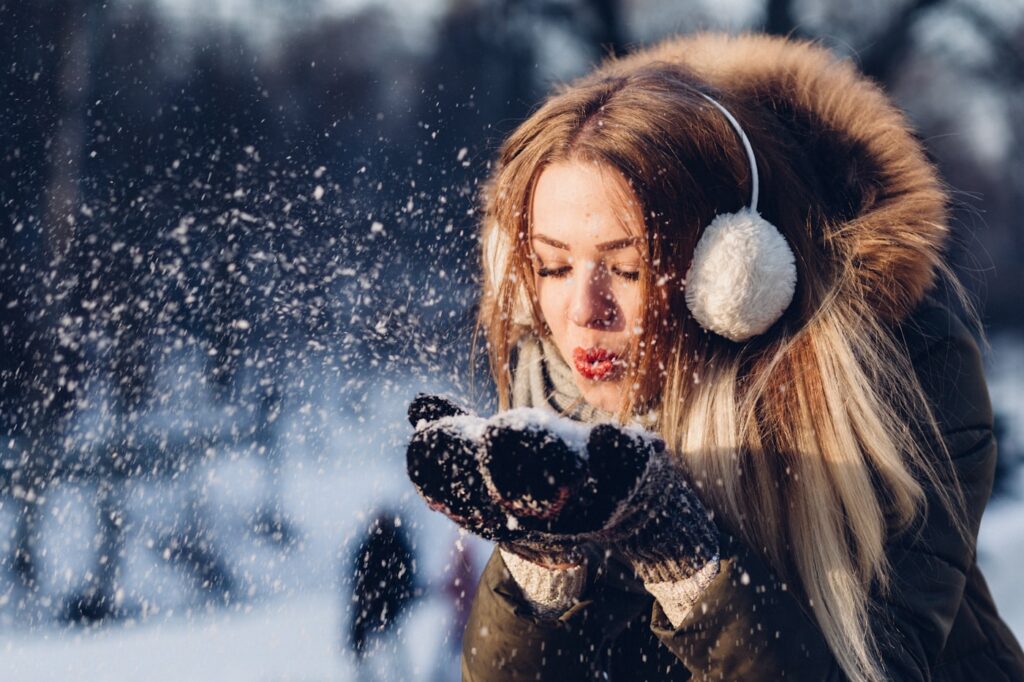
Fingers that turn white, then blue, then red in the cold describe Raynaud's phenomenon. When it starts in adulthood or comes with joint pain it can signal autoimmune disease.
Meet Dr. Syed Alam, MD, FACR
Double Board-Certified, Fellowship-Trained Rheumatologist · Musculoskeletal Ultrasound Trained · 10+ Years of Experience
Dr. Alam completed his rheumatology fellowship at Temple University Hospital after an internal medicine residency at John H. Stroger, Jr. Hospital. His clinical interests include rheumatoid arthritis, lupus, psoriatic arthritis, gout, Sjögren’s disease, osteoporosis and other rheumatic conditions.
Read the full profile →
What is happening to your fingers
In cold or with sudden stress, small blood vessels in the fingers constrict far more than they should. Blood flow drops sharply and the finger turns white and numb. As oxygen is used up the tissue turns blue. When the vessels reopen, blood rushes back and the finger becomes red, throbbing and often painful.
This is Raynaud's phenomenon. Not everyone shows all three colours, and many people only notice white or blue. The change usually has a sharp border, which distinguishes it from hands that are simply cold and mottled all over.
What tends to set it off
- Cold air, particularly a sudden change such as walking into an air-conditioned building
- Handling cold or frozen items, or reaching into a refrigerator
- Cold water, including washing up
- Emotional stress
- Smoking and caffeine, both of which constrict blood vessels
- Vibrating tools, in people who use them regularly
Not sure whether your symptoms need a specialist? A rheumatology evaluation can give you a clear answer.
Request an AppointmentPrimary versus secondary Raynaud's
This is the central question, because the answer determines whether anything else needs investigating.
Primary Raynaud's
Common, affecting a substantial minority of adults and more women than men. It usually begins in the teens or twenties, affects both hands symmetrically, causes no tissue damage, and is not associated with any other disease. It is a nuisance rather than a threat and is managed with warmth and avoidance of triggers.
Secondary Raynaud's
Occurs as part of an underlying condition, most often an autoimmune connective tissue disease. Features that point this way include onset after the age of 30, attacks affecting only some fingers or one hand more than the other, severe or painful episodes, ulcers or sores at the fingertips, and accompanying symptoms such as joint pain, skin tightening, dryness, rash or fatigue.
The conditions it can accompany
- Scleroderma, where it is often the first symptom, sometimes years ahead
- Lupus
- Sjögren's disease
- Mixed connective tissue disease
- Inflammatory myositis
- Rheumatoid arthritis, less commonly
Early assessment gives you the widest range of treatment options.
Book an Evaluation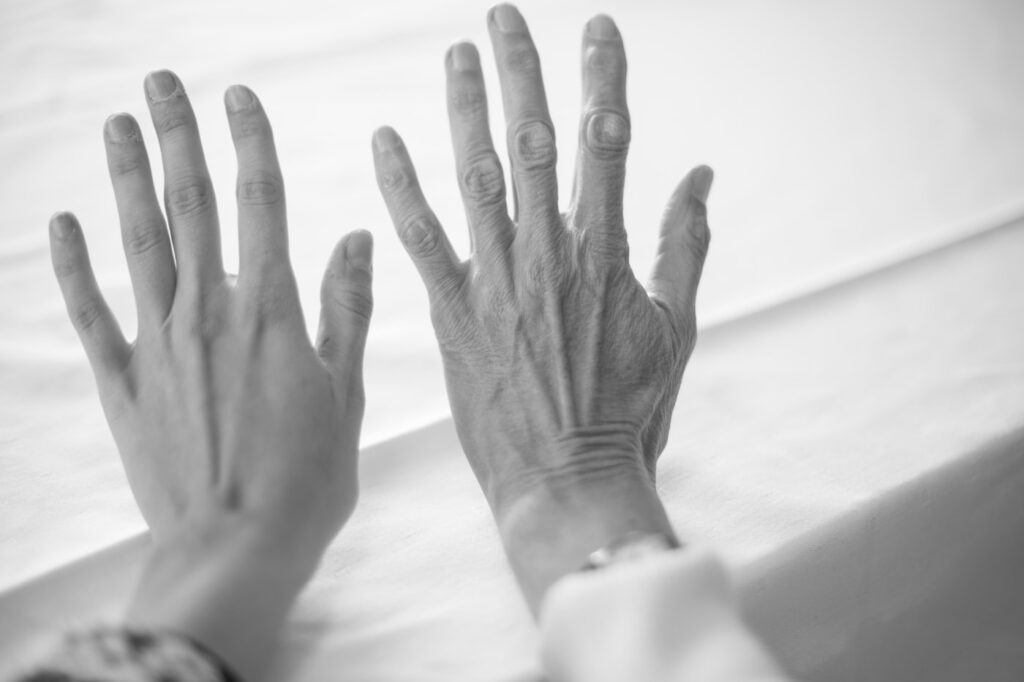
Photo for illustration. Images do not depict patients of this practice.
Other causes worth considering
- Medications, including beta blockers, some migraine treatments and stimulants
- Smoking, which both triggers attacks and worsens them
- Repeated use of vibrating tools, sometimes called hand-arm vibration syndrome
- Thoracic outlet syndrome and other causes of reduced arterial flow
- Carpal tunnel syndrome, which causes numbness but not colour change
- Thyroid disease
Chilblains are a separate problem: itchy, red-purple swellings on the toes or fingers after cold exposure, which last days rather than minutes and do not follow the white-blue-red sequence.
How it is evaluated
History and examination
Your rheumatologist will ask when it started, which fingers are affected, whether the changes are symmetrical, whether there have been any sores at the fingertips, and about other symptoms including joint pain, dryness, reflux, breathlessness and skin changes. The hands are examined for skin thickening, fingertip pitting and ulcers.
Nailfold capillaroscopy
A simple, painless test in which the small blood vessels at the base of the nail are examined under magnification. In primary Raynaud's they look normal. In secondary Raynaud's they are often enlarged, distorted or missing, and this finding is one of the most useful early signals of an underlying connective tissue disease.
Blood tests
- ANA, and if positive, more specific antibodies including anti-centromere and anti-Scl-70
- ESR and CRP
- Full blood count and thyroid function
A negative ANA with normal nailfold capillaries and onset in youth is strongly reassuring and usually means no further investigation is needed.
We will take a full history, examine every affected joint and order only the tests that change your care.
Schedule Your VisitWhat helps
- Keep your whole body warm, not just your hands; core temperature drives the response.
- Wear gloves before going out, and keep a pair in the car and at work.
- Use insulated cups, and wear gloves to handle frozen or refrigerated items.
- Avoid sudden temperature changes, including walking into strong air conditioning.
- Stop smoking. This is the single most effective change for anyone with Raynaud's.
- Reduce caffeine if attacks are frequent.
- Swing the arms or place hands under warm, not hot, water to end an attack.
Where attacks are frequent or severe, medication that relaxes blood vessels, usually a calcium channel blocker, is effective. This is worth discussing rather than enduring repeated painful attacks through the winter.
Treatment is matched to your diagnosis, your other conditions and your goals.
Start Your Treatment PlanGetting through the colder months
For most people with Raynaud's the practical challenge is seasonal, and a bit of planning makes a large difference to how many attacks you have.
Keep the core warm, not just the hands
This is the point most often missed. When your body core cools, it protects itself by shutting down circulation to the extremities, which is exactly what triggers an attack. Layering the torso, wearing a hat and keeping your feet warm all reduce hand attacks more than gloves alone.
Practical measures
- Put gloves on before you go outside, not once your hands are already cold
- Keep spare gloves in the car, at work and in your bag
- Use insulated cups and wear gloves to handle frozen or refrigerated items
- Wear gloves for washing up, or use warm rather than cold water
- Avoid walking straight into strong air conditioning from outside heat
- Consider hand warmers for prolonged time outdoors
Ending an attack
Move somewhere warm, place your hands under warm, not hot, water, and swing your arms in wide circles to push blood back into the fingers. Avoid direct heat sources, since numb fingers burn easily without you noticing.
Medication and when to ask for it
If attacks are frequent, painful or lasting a long time despite these measures, medication that relaxes blood vessels, usually a calcium channel blocker, is effective and worth asking about. There is no merit in enduring repeated painful attacks through an entire winter when treatment exists.
Report any fingertip sore or ulcer promptly rather than waiting, since these need active treatment and can be slow to heal.
When to see a rheumatologist in Katy
Ask for an evaluation if colour changes began after the age of 30, if only some fingers are affected or one hand more than the other, if attacks are painful or prolonged, or if there are any sores or pits at the fingertips.
Also come if colour changes are accompanied by joint pain, skin tightening, dry eyes and mouth, rash, reflux, breathlessness or fatigue. Seek prompt care for a finger that stays white or blue for more than a short period, or an ulcer that is not healing.
New patients are welcome at our Katy clinic, and a referral is not required for most plans.
Talk to Our RheumatologistPLACEHOLDER: this page must be reviewed and approved by Dr. Syed Alam before launch. Add the review date here.
Possible causes
Conditions associated with this
Frequently asked questions
Fingers Turning White or Blue: your questions answered
Is Raynaud's dangerous?
Primary Raynaud's is not. It causes no tissue damage and is managed with warmth and trigger avoidance. Secondary Raynaud's, occurring as part of an underlying condition, can cause fingertip ulcers and needs both treatment and investigation of the underlying disease.
How do I know which type I have?
Age of onset, symmetry, severity and accompanying symptoms all help. Nailfold capillaroscopy and an ANA test usually settle it. Onset in the teens or twenties with normal capillaries and a negative ANA is strongly reassuring.
Why do my fingers turn white and then blue?
The vessels constrict sharply, cutting blood flow, so the finger goes white. As oxygen is used up it turns blue. When the vessels reopen, blood rushes back and it becomes red and throbbing.
Can stress trigger an attack?
Yes. Emotional stress causes the same blood vessel constriction as cold, so attacks can occur in a warm room. This is a normal feature of Raynaud's rather than a sign that the problem is psychological.
Does smoking make it worse?
Considerably. Nicotine constricts blood vessels and worsens both the frequency and severity of attacks. Stopping is the single most effective change most people with Raynaud's can make.
What is nailfold capillaroscopy?
A painless examination of the tiny blood vessels at the base of your nails under magnification. Normal vessels point towards primary Raynaud's; enlarged or missing vessels suggest an underlying connective tissue disease.
Is there medication for it?
Yes. Where attacks are frequent or severe, medicines that relax blood vessels, usually calcium channel blockers, reduce their number and severity. It is worth asking rather than enduring repeated painful attacks.
Should I worry if a finger stays blue?
A finger that stays white or blue beyond a short period, or an ulcer or sore at the fingertip that is not healing, needs prompt medical attention rather than waiting for a routine appointment.
Still have a question?
Our office is happy to answer questions before you book. Call us or send a request and we will call you back.
Ask Us Your QuestionGet started
Get an evaluation at our Katy clinic
You do not need a diagnosis to make an appointment. Our rheumatologist will help find the cause.