
Muscle Pain and Weakness
Is it harder to climb stairs, rise from a chair, or lift your arms to wash your hair? Do your muscles ache, feel weak, or tire faster than they used to? Did a blood test show a raised creatine kinase (CK)?
Muscle pain and weakness can come from many causes, including medicines, thyroid problems, low vitamin D, and, less often, inflammatory muscle disease. The goal of an evaluation is to separate true weakness from pain-limited effort and find the care that fits.
Dr. Syed Alam evaluates muscle pain and weakness at West Houston Arthritis and Rheumatology for patients from Katy and the surrounding communities.

Meet Dr. Syed Alam, MD, FACR
Double Board-Certified, Fellowship-Trained Rheumatologist · Musculoskeletal Ultrasound Trained · 10+ Years of Experience
Dr. Alam is a double board-certified, fellowship-trained rheumatologist who evaluates muscle pain, weakness, and abnormal muscle tests. You do not need a diagnosis to be seen; start by describing what you can and cannot do.
Read the full profile →
Are You Experiencing Muscle Pain or Weakness?
Pain and weakness can feel similar, but they mean different things. Pain limits what you are willing to do; weakness limits what you are able to do. If you can climb the stairs but it hurts, that is pain. If your legs will not lift you no matter how much discomfort you accept, that is weakness.
Signs to Notice
- Trouble climbing stairs without pulling on the handrail.
- Difficulty rising from a low chair without pushing up with your arms.
- Trouble lifting your arms overhead to wash your hair or reach a shelf.
- Difficulty getting up from the floor or out of a bathtub.
- Aching or tenderness in the thighs, upper arms, shoulders, or hips.
- A rash on the eyelids or knuckles along with new weakness.
Weakness around the shoulders and hips, called proximal weakness, is the pattern most often linked to inflammatory muscle disease. Aching without measurable weakness has a longer and generally less worrying list of causes. Check whether your symptoms need same-day care.
Finding that everyday movements take more effort? Request a visit to find out whether it is pain, weakness, or both.
Request an AppointmentWhen Do Muscle Pain and Weakness Need Same-Day Care?
Most muscle aches are not an emergency, but some patterns need prompt medical attention rather than a routine appointment.
Get Medical Help Without Delay
- Weakness that is getting worse over hours or days, or new trouble standing or walking: Seek same-day care. If prompt assessment is not available, go to an emergency department.
- Trouble breathing or swallowing along with muscle weakness: Call 911 or go to an emergency department.
- Dark, cola-colored urine with severe muscle pain, especially after intense exercise, heat exposure, a fall, or a new medicine: Seek emergency care. This can signal muscle breakdown that may harm the kidneys.
- Sudden weakness on one side of the body, facial drooping, or trouble speaking: Call 911.
- Weakness with double vision or drooping eyelids that worsens through the day: Seek same-day assessment.
These examples are not a complete list. For ongoing, non-emergency symptoms, learn what may be causing them.
What May Be Causing Your Muscle Pain and Weakness?
The possibilities below are not a diagnosis; an evaluation helps sort them out.
Inflammatory Myositis
In polymyositis and dermatomyositis, the immune system attacks muscle. Weakness of the hips and shoulders typically builds over weeks to months, and creatine kinase (CK) is often raised. Dermatomyositis adds skin changes, such as a violet rash on the eyelids or scaly red patches over the knuckles. Both call for prompt evaluation.
Polymyalgia Rheumatica
Usually seen in adults over 50, polymyalgia rheumatica causes aching and stiffness across the shoulders, neck, and hips that is worst in the morning. Strength is usually normal on careful testing, but pain makes movement difficult. It typically improves with treatment, so recognizing it early is worthwhile.
Medicines, Thyroid, and Metabolic Causes
Statins, the cholesterol-lowering medicines, are the best-known medication cause and can produce anything from mild aching to more significant muscle injury. Long-term steroid use can cause painless weakness of the thighs. An underactive or overactive thyroid, low vitamin D, low potassium, and high calcium can also cause weakness or aching, and these are usually treatable once identified.
Muscle Pain Without True Weakness
- Fibromyalgia, with widespread pain, unrefreshing sleep, and trouble concentrating.
- A recent viral illness, which can cause a few weeks of aching.
- Overuse or deconditioning, particularly after a period of inactivity.
- Poor sleep or stress, which can lower the pain threshold.
Weakness that fluctuates during the day or comes with numbness may start in the nerves rather than the muscle and may need neurological assessment. Learn when to arrange an evaluation.
Not sure which of these fits your symptoms? A rheumatology evaluation can help clarify the cause and the next step.
Request an Evaluation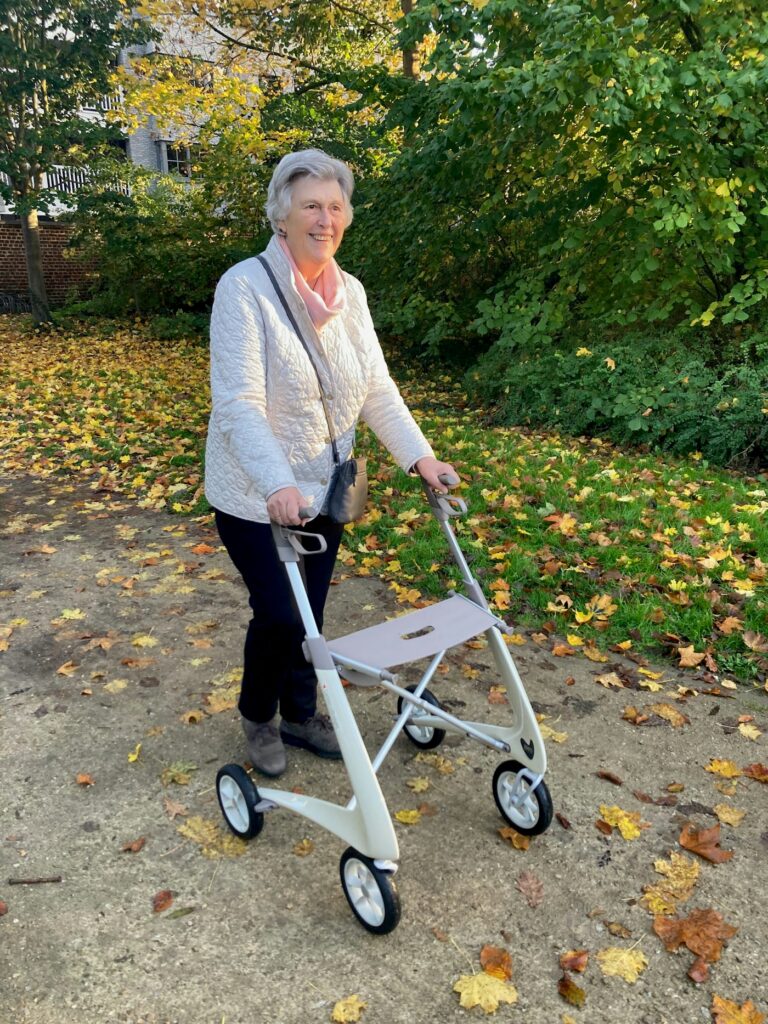
Photo for illustration. Images do not depict patients of this practice.
How Long Should You Wait Before Booking?
Aching after a hard workout or a viral illness often settles within a couple of weeks. Ask about a rheumatology evaluation if:
- You have true difficulty climbing stairs, rising from a chair, or lifting your arms.
- Weakness is getting worse from week to week.
- A rash has appeared on your eyelids, face, or knuckles.
- A blood test has shown a raised CK or another abnormal muscle result.
- Shoulder and hip stiffness after age 50 makes it hard to get going in the morning.
You do not need to wait if your clinician is concerned, and you do not need a diagnosis to be seen. Already referred? Ask whether the referral is routine or urgent, and tell your referring clinician if weakness progresses while you wait. See what the evaluation involves.
Weakness that keeps progressing deserves a timely next step. Arrange an evaluation rather than waiting to see whether it passes.
Arrange Your VisitWhat Does the Evaluation Involve?
A careful history and examination come first, followed by tests chosen to answer specific questions.
Your History and Examination
You may be asked when symptoms began, which tasks have become harder, and which medicines you take. Strength is tested muscle group by muscle group, and simple tasks such as rising from a chair without your arms can be very revealing. The skin, nails, and joints are examined too.
Tests That May Be Ordered
- Creatine kinase (CK), the key blood test for muscle damage.
- ESR, CRP, and a complete blood count to look for inflammation.
- Thyroid function, vitamin D, calcium, and potassium to check for treatable causes.
- ANA and myositis-specific antibodies when inflammatory muscle disease is suspected.
- Kidney and liver function, along with a medication review.
If myositis is suspected, an MRI of the thigh muscles, electromyography (EMG), or a muscle biopsy may be recommended to confirm the diagnosis and guide treatment. See which type of care fits your symptoms.
Already have abnormal muscle tests? Bring them to a visit and discuss what they may mean for you.
Schedule Your VisitRheumatologist, Neurologist, or Primary Care?
- Rheumatology focuses on inflammatory and autoimmune causes, such as myositis and polymyalgia rheumatica, and their nonsurgical care.
- Neurology evaluates weakness that starts in the nerves or spinal cord.
- Primary care can review medicines, check thyroid and vitamin levels, and help when the cause is unclear.
If weakness affects the shoulders and hips, comes with a rash, or follows a raised CK result, rheumatology is often a sensible place to start.
Before Your Appointment
Do not stop a statin or other prescribed medicine on your own; raise it at your visit. Keep gently active, since complete rest speeds muscle loss, but hold off on strenuous exercise if weakness is progressing until you have been assessed. Prepare for your visit.
Questions about scheduling or what to bring? Call our office before arranging your appointment.
Call Our OfficeWhat to Do Next
A little preparation helps your visit focus on what has changed.
- Test yourself honestly. Write down which everyday tasks you can and cannot do.
- Track the timeline. Note when symptoms began and whether they are getting worse.
- List every medicine. Include statins, steroids, supplements, and anything started recently.
- Gather your records. Bring previous blood test results, especially CK, and photos of any rash.
At the visit, Dr. Alam reviews your history, examination, and previous results together. Ask which tests are planned and when follow-up is needed.
West Houston Arthritis and Rheumatology sees patients from Katy, Fulshear, Cinco Ranch, Cypress, Richmond, Rosenberg, Sealy, Sugar Land, and West Houston at our office at 19002 Park Row Blvd, Suite 100, Houston, TX 77084. We are accepting new patients and accept most major insurance plans. Office hours are Monday through Friday, 8:00 AM to 5:00 PM.
Ready to find out what is behind your muscle pain or weakness? Request an appointment or call our office to take the next step.
Request an Appointment Call (832) 305-5226Important: This page provides general education, not an individual diagnosis or treatment plan. Appointment requests are not monitored for emergencies. For a medical emergency, call 911.
Possible causes
Conditions Linked to Muscle Pain and Weakness
Frequently asked questions
Common Questions About Muscle Pain and Weakness
How can I tell real muscle weakness from pain?
Ask whether you are unable to do something or avoiding it because it hurts. If you cannot climb stairs or lift your arms overhead no matter how much discomfort you accept, that suggests true weakness.
What does a raised creatine kinase (CK) mean?
CK is released when muscle is damaged or inflamed. It can rise in myositis, but also after strenuous exercise, with statins, or with some infections. It is interpreted alongside your symptoms and examination.
Could my statin be causing my muscle symptoms?
Possibly. Statins cause muscle symptoms in a minority of people. Do not stop the medicine on your own; bring it up at your visit so the benefit can be weighed and alternatives considered.
Does fibromyalgia cause muscle weakness?
People with fibromyalgia often feel weak, but formal strength testing is usually normal. Measurable weakness points to a different cause and should be evaluated.
What is polymyalgia rheumatica?
An inflammatory condition, usually after age 50, that causes morning aching and stiffness across the shoulders, neck, and hips. It typically improves with treatment, so early recognition is worthwhile.
Will I need a muscle biopsy?
Not always. Blood tests, antibodies, MRI, and EMG often provide enough information. A biopsy is considered when the diagnosis remains uncertain and the result would change treatment.
Should I exercise if my muscles feel weak?
Gentle activity usually helps, and complete rest can cause further muscle loss. If weakness is worsening quickly or CK is very high, get assessed before doing anything strenuous.
Can thyroid problems cause muscle weakness?
Yes. Both an underactive and an overactive thyroid can cause weakness and aching, and both are treatable, which is why thyroid function is usually checked early.
Still Have a Question?
Call our office about appointments, referrals, or preparing for your visit.
Call Our OfficeGet started
Request an Appointment With Dr. Alam
Take the next step toward understanding muscle pain or weakness that is making everyday tasks harder.