
Gout Treatment in Katy, TX
Have you woken up with a big toe, ankle, or knee so painful that even a bedsheet hurts? Have attacks of joint pain and swelling come back more than once? Did a blood test show high uric acid?
Gout is a common and very treatable form of inflammatory arthritis. The goal of care is to confirm the diagnosis, settle attacks, and lower uric acid over time so attacks become less frequent and joint damage is less likely.
Dr. Syed Alam provides gout care at West Houston Arthritis and Rheumatology for patients from Katy and the surrounding communities.
Meet Dr. Syed Alam, MD, FACR
Double Board-Certified, Fellowship-Trained Rheumatologist · Musculoskeletal Ultrasound Trained · 10+ Years of Experience
Dr. Alam is a double board-certified rheumatologist who evaluates and treats gout and other rheumatic conditions. Bring your questions about repeated attacks, uric acid results, or long-term treatment.
Read the full profile →
What Is Gout?
Gout is a form of inflammatory arthritis caused by urate crystals forming inside a joint. Uric acid is a normal waste product made when the body breaks down purines, which are found in your own cells and in some foods. Usually the kidneys clear it. When uric acid stays high for long enough, it can form needle-shaped crystals that trigger intense inflammation.
Treating an attack relieves the pain, but it does not lower uric acid. If the crystals remain, attacks often return, may become more frequent, and can involve more joints over time.
Are You Experiencing These Symptoms?
- Sudden, severe pain in one joint, very often at the base of the big toe.
- Redness, warmth, and swelling that make even light touch painful.
- Pain that starts overnight and peaks within 12 to 24 hours.
- Attacks that settle over one to two weeks, then return weeks or months later.
- Firm, chalky lumps (tophi) on the fingers, toes, elbows, or ear in longstanding gout.
The big toe is the classic site, but gout also affects the midfoot, ankle, heel, knee, wrist, fingers, and elbow. Many people feel completely normal between attacks, even though crystals may continue to build up. Know when a swollen joint needs same-day care.
Recognize this pattern of attacks? Request a visit to confirm the diagnosis and discuss a long-term plan.
Request an AppointmentWhen Does a Gout-Like Attack Need Same-Day Care?
Some symptoms need urgent assessment, not a routine appointment.
Get Medical Help Without Delay
- A hot, swollen, very painful joint with fever or chills: Seek same-day medical care. A joint infection (septic arthritis) can look like gout and must be ruled out quickly. If prompt assessment is not available, go to an emergency department.
- A joint you suddenly cannot move or bear weight on: Seek same-day medical assessment, especially after an injury.
- New joint swelling while taking medicine that suppresses the immune system: Contact the clinician managing that medicine the same day.
- Feeling very unwell, confused, or short of breath: Call 911.
These examples are not a complete list. Do not wait for an appointment response when symptoms are severe or rapidly worsening. For recurring attacks that are not an emergency, learn what drives gout.
What Causes Gout and Who Is at Risk?
Gout is caused by persistently high uric acid. For most people, the main reason is that the kidneys do not remove enough uric acid, rather than the body making too much.
- Sex and age. Men are affected more often and earlier; risk in women rises after menopause.
- Kidney function. Reduced kidney function is one of the strongest risk factors.
- Medications. Diuretics (water pills), low-dose aspirin, and some transplant medicines can raise uric acid.
- Related conditions. High blood pressure, diabetes, obesity, metabolic syndrome, heart disease, and sleep apnea are associated with gout.
- Diet and drinks. Beer, liquor, fructose-sweetened drinks, and large amounts of red meat, organ meats, and shellfish can contribute.
- Family history. Genes strongly influence how the kidneys handle uric acid.
Diet matters, but it is usually a smaller factor than genetics, kidney function, and medications. Do not stop a prescribed medicine on your own; ask the clinician who prescribed it whether an alternative makes sense. See how gout is diagnosed.
Living with repeated attacks or a high uric acid result? Discuss your risk factors and next steps with a rheumatologist.
Request an Appointment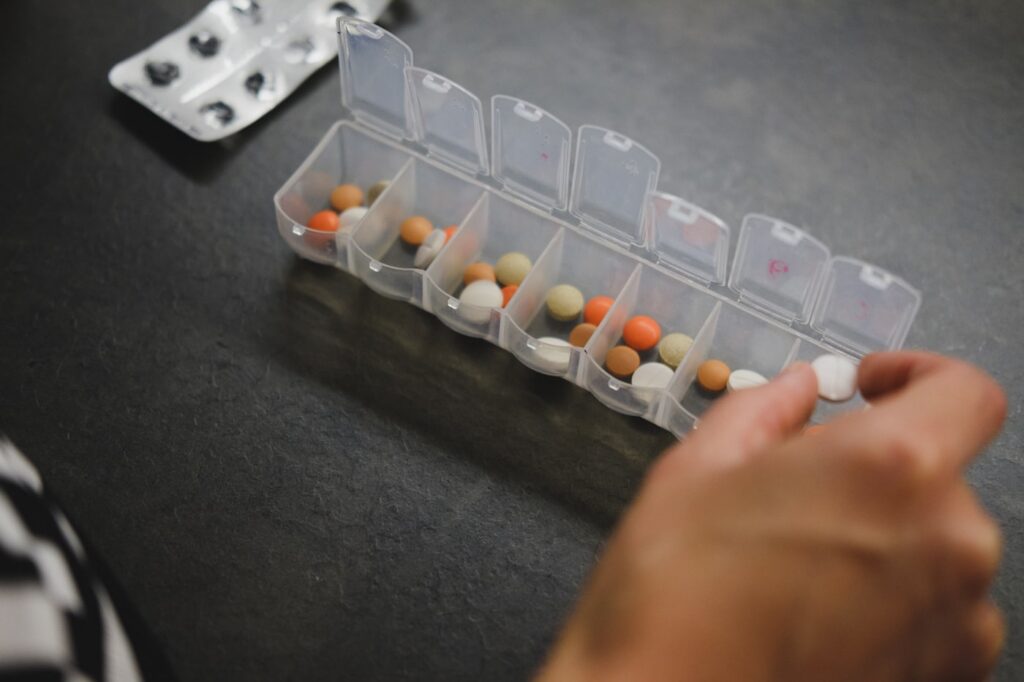
Photo for illustration. Images do not depict patients of this practice.
How Is Gout Diagnosed?
When the pattern is classic, gout can sometimes be diagnosed from your history and examination. Confirming it still matters, because long-term treatment depends on it.
Joint Fluid Analysis
The most definitive test is examining a small sample of fluid drawn from the affected joint under a microscope, where urate crystals can be seen directly. This also helps rule out infection and pseudogout, which can look very similar.
Blood Tests
- Uric acid level. Useful, but it often falls during an attack, so a normal result at that moment does not rule out gout. It may be rechecked once the attack settles.
- Kidney function. Kidney health affects uric acid levels and helps guide medication choices.
Imaging
Ultrasound or a specialized CT scan can show urate deposits in some people. X-rays are often normal early on but can show joint damage in longstanding gout. See how gout is treated.
Not sure whether your attacks are gout? Bring your previous results to a visit and discuss what they may mean.
Request an EvaluationHow Is Gout Treated?
Gout treatment has two separate parts: calming an attack and lowering uric acid over time.
Treating an Attack
Anti-inflammatory medicines, colchicine, or a short course of steroids can help settle an attack, and a steroid injection into the joint may be an option when tablets are not suitable. Starting treatment early in an attack usually helps it resolve faster.
Lowering Uric Acid Over Time
For people with repeated attacks, tophi, or joint damage, a urate-lowering medicine such as allopurinol or febuxostat may be recommended. The dose is adjusted gradually while blood uric acid is checked until it reaches the target your rheumatologist sets. Keeping uric acid at target allows crystals to dissolve slowly, and for many people attacks become much less frequent.
- Early flares can happen. As crystals dissolve, attacks may occur in the first months, so a preventive anti-inflammatory medicine is often prescribed alongside.
- Treatment is usually long term. Stopping because attacks have stopped often lets uric acid rise again.
- Kidney function guides choices. Reduced kidney function is not a reason to avoid treatment, but it affects which medicine and dose are used.
Diet and Lifestyle Support
- Limit beer, liquor, and fructose-sweetened drinks.
- Moderate red meat, organ meats, and shellfish rather than eliminating them.
- Stay well hydrated.
- Lose weight gradually if needed; crash dieting can trigger attacks.
Diet alone rarely lowers uric acid enough for someone with repeated attacks. It supports medication rather than replacing it. Learn about long-term follow-up.
Want a plan that addresses uric acid, not only the pain? Request a visit to discuss your treatment options.
Request an AppointmentLiving With Gout
With consistent treatment, many people with gout go long stretches without attacks. Getting there usually means treating the uric acid, checking levels regularly, and continuing treatment after attacks stop.
Gout and Your Overall Health
Gout often occurs alongside high blood pressure, chronic kidney disease, type 2 diabetes, obesity, cardiovascular disease, and sleep apnea. A gout diagnosis is a good prompt to review blood pressure, kidney function, blood sugar, cholesterol, and weight with your primary care clinician.
When to See a Rheumatologist About Gout
- Attacks keep returning despite treatment.
- Uric acid is not reaching target.
- You have tophi or signs of joint damage.
- Kidney disease or medication side effects complicate treatment.
- The diagnosis is uncertain.
Has your doctor recommended rheumatology care for gout? Our office can help arrange your visit.
Arrange Your VisitWhat to Do Next
A little preparation helps your visit focus on what matters most to you.
- Track your attacks. Note the dates, which joints were affected, how long each attack lasted, and what helped.
- Gather your records. Bring uric acid and kidney test results, imaging reports, and any joint fluid results.
- List your medications. Include blood pressure medicines, diuretics, aspirin, nonprescription medicines, supplements, and medication allergies.
- Confirm requirements. Check with the office and your insurance plan about referrals before scheduling.
At the visit, your history, examination, and previous results are considered together. Ask how results will be shared and how often your uric acid should be checked.
West Houston Arthritis and Rheumatology welcomes patients from Katy, Fulshear, Cinco Ranch, Cypress, Richmond, Rosenberg, Sugar Land, and West Houston to our office at 19002 Park Row Blvd, Suite 100, Houston, TX 77084. We are accepting new patients and accept most major insurance plans. Office hours are Monday through Friday, 8:00 AM to 5:00 PM.
Ready to get repeated gout attacks under control? Request an appointment or call our office to take the next step.
Request an Appointment Call (832) 305-5226Important: This page provides general education, not an individual diagnosis or treatment plan. Appointment requests are not monitored for emergencies. For a medical emergency, call 911.
Frequently asked questions
Common Questions About Gout
Why does my gout keep coming back?
Usually because uric acid remains too high. Treating attacks relieves pain but leaves the crystals in place. Long-term urate-lowering treatment, with levels checked until they reach target, helps many people have far fewer attacks.
Is gout caused by eating too much rich food?
Diet contributes, but genetics, kidney function, and medications such as diuretics usually play a larger role. Many people with a careful diet still develop gout, so treating it as only a lifestyle problem can delay helpful care.
Can gout affect joints other than the big toe?
Yes. The midfoot, ankle, knee, wrist, fingers, and elbow can be affected, especially as gout progresses. Attacks in several joints at once can resemble other types of arthritis.
Could a hot, swollen joint be something other than gout?
Yes. A joint infection can look very similar and needs same-day care, especially with fever or chills. Review the same-day warning signs above. Call 911 for a medical emergency.
How long will I need urate-lowering medicine?
For most people, long term. It works like blood pressure medicine: stopping it usually allows uric acid to rise and attacks to return. Talk with your rheumatologist before making any changes.
My uric acid was normal during an attack. Does that rule out gout?
No. Uric acid often falls during an acute attack. A normal level at that moment does not exclude gout, and it may be rechecked once the attack has settled.
Is gout the same as pseudogout?
No, although they can look alike. Pseudogout is caused by calcium pyrophosphate crystals rather than urate, more often affects the knee and wrist, and is managed differently. Examining joint fluid can tell them apart.
Can cherries or cherry juice treat gout?
Some studies suggest an association between cherry intake and fewer attacks. Cherries can be a reasonable part of your diet, but they do not replace medication or lower uric acid to target on their own.

Still Have a Question?
Call our office about appointments, referrals, or preparing for your visit.
Call Our OfficeGet started
Request an Appointment With Dr. Alam
Take the next step toward fewer gout attacks with a plan that addresses uric acid, not only the pain.