
Osteoporosis Treatment in Katy, TX
The purpose of osteoporosis treatment is simple: prevent fractures. Medication does most of that work, and it is considerably more effective than calcium and vitamin D alone.
Meet Dr. Syed Alam, MD, FACR
Double Board-Certified, Fellowship-Trained Rheumatologist · Musculoskeletal Ultrasound Trained · 10+ Years of Experience
Dr. Alam completed his rheumatology fellowship at Temple University Hospital after an internal medicine residency at John H. Stroger, Jr. Hospital. His clinical interests include rheumatoid arthritis, lupus, psoriatic arthritis, gout, Sjögren’s disease, osteoporosis and other rheumatic conditions.
Read the full profile →
What treatment is for
Osteoporosis itself causes no symptoms. Everything about its treatment is aimed at preventing the fracture that would otherwise be the first sign, because osteoporotic fractures are not simply broken bones. A hip fracture frequently causes lasting loss of independence, and spinal fractures cause chronic pain, height loss and a stooped posture.
The decision to treat is based on overall fracture risk rather than on the bone density number alone. Two people with identical T-scores can receive different advice, because age, previous fractures, steroid use, smoking and family history all feed into the calculation.
Who is treated
- Anyone who has had a fragility fracture of the hip or spine, regardless of bone density
- Anyone with a T-score of -2.5 or below
- People with osteopenia whose calculated ten-year fracture risk is high enough
- Anyone starting long-term steroid treatment, where bone protection is considered from the outset
Not sure whether your symptoms need a specialist? A rheumatology evaluation can give you a clear answer.
Request an AppointmentThe medicines
Bisphosphonates
Alendronate, risedronate and zoledronic acid slow the cells that break bone down. They are usually first choice, are available as weekly or monthly tablets or as a yearly infusion, and reduce spine fracture risk substantially. Tablets must be taken first thing on an empty stomach with a full glass of water, sitting or standing upright for at least half an hour afterwards, which matters both for absorption and for avoiding oesophageal irritation.
Denosumab
A six-monthly injection, useful where kidney function limits other options. One point is critical: it must not be stopped abruptly without replacing it with another agent, because bone loss rebounds quickly and vertebral fractures can follow. If you are on denosumab, do not let a dose lapse without a plan.
Anabolic agents
Teriparatide, abaloparatide and romosozumab build new bone rather than only slowing loss. They are used in severe osteoporosis, in people who fracture despite treatment, and increasingly as first treatment in very high-risk patients, usually followed by a bisphosphonate to lock in the gain.
Hormone-related options
Hormone therapy and raloxifene are considered in selected patients, particularly around menopause, weighing bone benefit against other risks.
Early assessment gives you the widest range of treatment options.
Book an Evaluation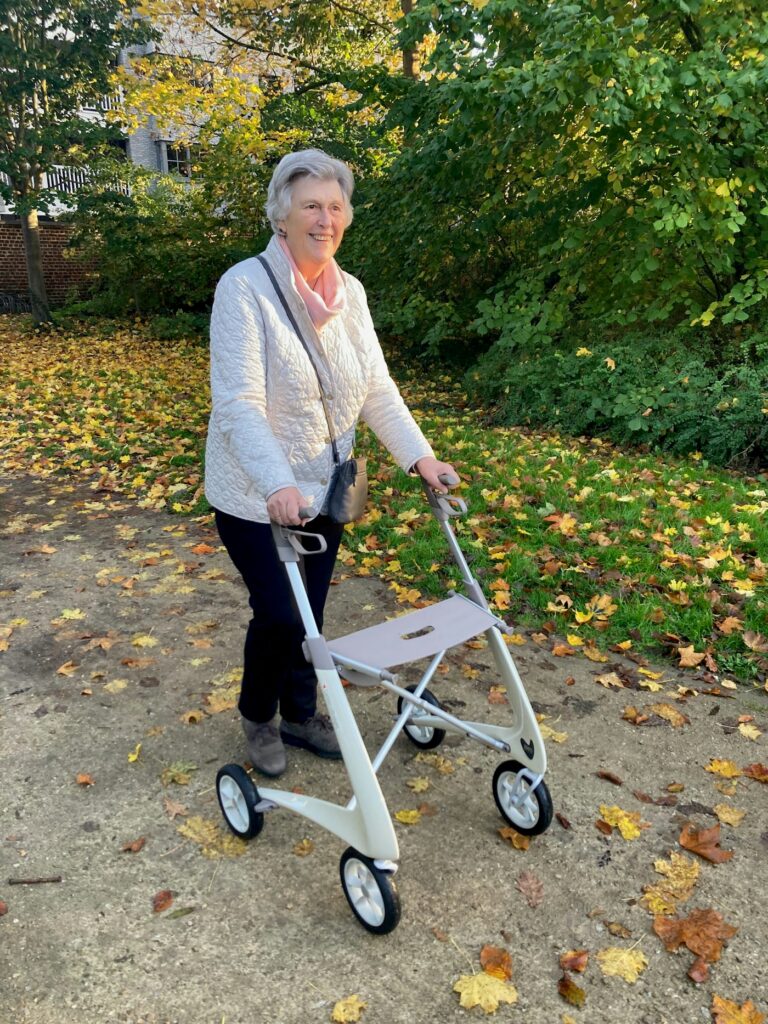
Photo for illustration. Images do not depict patients of this practice.
Calcium, vitamin D and diet
These are the foundation, not the treatment. They support bone health and allow other medicines to work properly, but on their own they do not meaningfully reduce fracture risk in established osteoporosis.
- Around 1,000 to 1,200 mg of calcium daily, ideally from food rather than supplements
- Enough vitamin D to maintain an adequate blood level, usually requiring a supplement
- Adequate protein, which is frequently overlooked and matters for both bone and muscle
- Limiting alcohol, and stopping smoking
Dairy, tinned fish with bones, fortified foods, leafy greens and nuts are practical sources of calcium. Splitting intake across the day absorbs better than taking it all at once.
We will take a full history, examine every affected joint and order only the tests that change your care.
Schedule Your VisitExercise and preventing falls
A fracture usually requires both weak bone and a fall. Treating only the bone addresses half the problem, and fall prevention is not a minor addition to treatment; it is roughly half of it.
Exercise
Weight-bearing activity such as walking, dancing or stair climbing helps maintain bone, and resistance training two or three times a week improves both bone and muscle. Balance work, including tai chi, reduces falls measurably. If you have had spinal fractures, avoid heavy forward bending and twisting under load, and ask for guidance on safe technique.
Reducing fall risk
- Review medications that cause dizziness or drowsiness
- Have an annual eye examination and keep glasses up to date
- Improve lighting, especially on stairs and at night
- Remove loose rugs and trailing cables
- Fit handrails on stairs and grab rails in the bathroom
- Wear supportive footwear indoors rather than loose slippers
Treatment is matched to your diagnosis, your other conditions and your goals.
Start Your Treatment PlanSafety and common concerns
Two rare complications receive a great deal of attention online, and it is worth putting them in proportion.
Jaw problems
Osteonecrosis of the jaw is rare with the doses used in osteoporosis, and far more common with the much higher doses used in cancer treatment. Good dental care reduces risk further. If you need major dental work, tell your dentist you are on treatment and discuss timing, but do not stop treatment on your own.
Unusual thigh fractures
Atypical femoral fractures are rare and are associated with very long-term bisphosphonate use. New thigh or groin pain on treatment should be reported. This risk is one reason a treatment holiday is sometimes considered after several years in lower-risk patients.
Putting it in context
Both complications are far less common than the fractures treatment prevents. For the great majority of people the benefit clearly outweighs the risk, and declining treatment because of them usually trades a small, rare risk for a large, common one.
How long treatment continues
Unlike many long-term medicines, osteoporosis treatment is periodically reassessed rather than simply continued indefinitely.
After around five years of oral bisphosphonate treatment, or three years of the annual infusion, your risk is reassessed. People at lower risk may take a treatment holiday, because bisphosphonates remain in bone and continue working for a period after stopping. People who remain at high risk usually continue.
Denosumab is different and should not be paused without replacement, since its effect ends quickly and bone loss rebounds. Anabolic agents are given for a defined period and then followed by a bisphosphonate to maintain the gain.
PLACEHOLDER: confirm whether DEXA scanning is available on site or arranged by referral, and describe the review interval used by this practice.
Osteoporosis care at our Katy clinic
Come for assessment if you have had a fracture from a minor fall after the age of 50, if a scan has shown osteoporosis or osteopenia with other risk factors, if you are starting or already taking long-term steroids, or if you have osteoporosis at a younger age or as a man, where a secondary cause should be sought.
Bring any previous DEXA reports, since comparing scans over time is more informative than a single result, and a full list of medications, several of which affect bone.
New patients are welcome at our Katy clinic, and a referral is not required for most plans.
Talk to Our RheumatologistPLACEHOLDER: this page must be reviewed and approved by the physician before launch. Confirm that every treatment described here is one this practice actually provides, and add the reviewing physician's name and review date.
Frequently asked questions
Osteoporosis Treatment: your questions answered
Are calcium and vitamin D enough on their own?
For prevention in someone with normal bone density, they may be. For established osteoporosis they are not. They support bone health and help medication work, but they do not meaningfully reduce fracture risk by themselves.
Are osteoporosis medications safe?
For the great majority of people the benefit clearly outweighs the risk. The rare complications people read about, jaw problems and unusual thigh fractures, occur far less often than the fractures treatment prevents.
How long will I need treatment?
Bisphosphonates are typically reassessed after around five years of tablets or three years of infusions, and some people take a treatment holiday. Denosumab should not be stopped without replacing it. Anabolic agents are given for a set period then followed by a bisphosphonate.
Why must I stay upright after taking the tablet?
Bisphosphonate tablets can irritate the oesophagus. Taking them with a full glass of water and staying upright for at least thirty minutes prevents that and also improves absorption, which is poor if taken with food.
Can osteoporosis be reversed?
Bone density can be improved, particularly with anabolic medicines that build new bone. The realistic aim is to strengthen bone enough to prevent fractures rather than to restore the skeleton of a young adult.
What if I need dental work?
Tell your dentist you are on treatment. Routine dental care is fine. For major procedures such as extractions or implants, timing may be discussed, but do not stop treatment on your own.
Is exercise safe if I already have fractures?
Yes, with guidance. Weight-bearing and resistance exercise remain valuable, but heavy forward bending, sit-ups and twisting under load should be avoided. A physical therapist can build a safe programme.
Can men take these treatments?
Yes. About one in four men over 50 will have an osteoporotic fracture, and the same medicines are used. Osteoporosis in men more often has an identifiable secondary cause, which should be looked for.
Still have a question?
Our office is happy to answer questions before you book. Call us or send a request and we will call you back.
Ask Us Your QuestionGet started
Considering osteoporosis treatment?
Request an appointment at our Katy clinic. New patients are welcome, and referrals are accepted but not required.