How does food affect gout and uric acid?
Gout happens when uric acid builds up in the blood and forms needle-like crystals in a joint. Some foods and drinks raise uric acid or trigger flares, especially purine-rich meats and seafood, alcohol (beer in particular), and drinks sweetened with sugar or high-fructose corn syrup. Diet influences uric acid, but genetics and kidney function usually matter more.
Uric acid is a waste product made when the body breaks down purines, natural compounds found in our own cells and in many foods. Normally the kidneys clear it. In people with gout, uric acid levels climb high enough that crystals form in and around joints, often first in the big toe, triggering sudden attacks of severe pain, redness, and swelling. The National Institute of Arthritis and Musculoskeletal and Skin Diseases (NIAMS) lists alcohol, sugar-sweetened drinks, and diets high in animal-based purines among the factors that raise gout risk.
It is also important to know what diet cannot do. Most of the body’s uric acid comes from its own metabolism, and many people with gout simply do not clear uric acid efficiently through their kidneys. That is why some people develop gout despite eating carefully, and why changing your plate usually lowers uric acid only modestly. If your levels are high, our page on high uric acid explains what the number means.
| Food or drink | Gout concern | Smarter approach |
|---|---|---|
| Brisket, ribs, sausage, steak | Red and processed meats are relatively high in purines | Smaller portions, fill the plate with vegetables and beans |
| Crawfish, shrimp, oysters, crab | Shellfish are moderately high in purines | Enjoy occasionally and in modest amounts |
| Beer (including non-alcoholic) | Strongly linked to higher uric acid and flares | Limit or avoid, especially during flare-prone periods |
| Sweet tea, soda, lemonade, fruit punch | Fructose raises uric acid | Switch to unsweetened tea, water, or sparkling water |
| Liver, sweetbreads, other organ meats | Very high in purines | Best avoided |
| Water | Helps the kidneys clear uric acid | Drink steadily, especially in Texas heat |
Still flaring even when you eat carefully?
Frequent gout attacks usually mean uric acid needs medical treatment, not just a stricter diet. Dr. Syed Alam can check your levels and build a plan that fits your life.
Request an AppointmentWhat are the main gout diet foods to avoid?
The main gout diet foods to avoid or limit are organ meats, large portions of red meat, shellfish and certain fish, beer and liquor, and drinks sweetened with sugar or high-fructose corn syrup, such as soda, sweet tea, and many juices. Gravies and meat-based soups can also be high in purines.
The American College of Rheumatology (ACR) advises people with gout to limit shellfish, gravies, soups, organ meats such as liver, red meat, alcohol (especially beer), and sugary or high-fructose drinks such as concentrated juices and sodas. The ACR’s 2020 gout treatment guideline also conditionally recommends limiting alcohol, purine intake, and high-fructose corn syrup for people with gout, while noting that these changes alone rarely reach treatment goals.
Put simply, the highest-impact changes for most Texans are:
- Cut back on beer, which carries both alcohol and purines.
- Swap sweet tea and soda for unsweetened versions or water.
- Shrink meat portions and make them part of the plate rather than the whole plate.
- Skip organ meats and go easy on rich gravies.
You do not need to give up every favorite forever. The goal is fewer and smaller exposures, especially on days or weekends when several triggers stack up.
Can I eat Texas barbecue if I have gout?
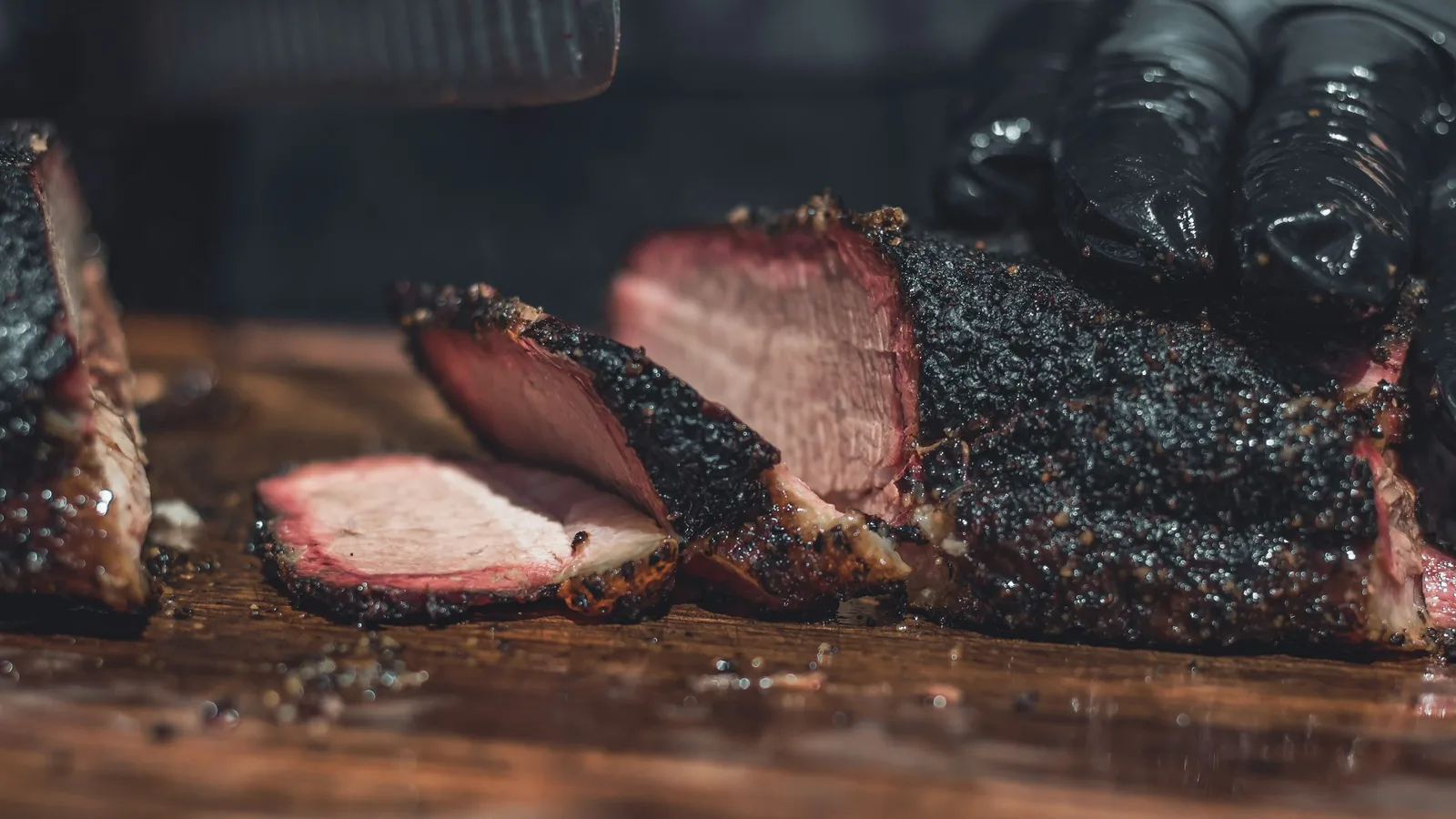
Usually yes, in moderation. Brisket, ribs, and sausage are red or processed meats that are relatively high in purines, so large portions can raise flare risk. Keeping portions modest, choosing lean cuts or poultry sometimes, filling up on vegetable sides, and skipping beer and sugary sauces makes barbecue far more gout-friendly.
A traditional Texas barbecue plate can combine several triggers at once: a pound of brisket, a link of sausage, sugary barbecue sauce, a sweet drink, and a couple of beers. That stacking effect is often what turns a good afternoon into a midnight flare. Practical swaps:
- Order by the quarter pound instead of the pound, or split a platter.
- Choose turkey or chicken some of the time; poultry is generally lower in purines than red meat.
- Load up on coleslaw, pinto beans, salad, and grilled vegetables. Plant proteins such as beans and lentils do not appear to raise gout risk the way meat does.
- Use sauce sparingly; many commercial sauces are sweetened with sugar or high-fructose corn syrup.
- Drink water or unsweetened iced tea alongside your meal.
Gout attacks often hit the big toe first. If you have had sudden, intensely painful swelling there after a big meal, our page on big toe pain and swelling explains how gout is distinguished from other causes.
Are crawfish, shrimp, and other Gulf seafood bad for gout?
Shellfish such as crawfish, shrimp, crab, and oysters contain moderate to high levels of purines, and the American College of Rheumatology lists shellfish among foods to limit. Occasional, modest servings are reasonable for many people, but an all-you-can-eat crawfish boil with beer is a classic flare setup.
Gulf Coast seafood is part of life in Houston, Galveston, and along the coast, and you do not have to swear it off entirely. Seafood is a good source of lean protein, and the Arthritis Foundation notes that the heart benefits of some fish eaten in moderation may outweigh their gout risk. Shellfish, however, are higher in purines and best enjoyed occasionally. Strategies for crawfish season:
- Set a portion limit before you start peeling, and stick to it.
- Fill up on the corn, potatoes, and vegetables in the boil.
- Pair the meal with water instead of beer.
- Avoid back-to-back seafood weekends during peak season.
A gout-smart Texas plate
- PortionKeep brisket, sausage, and shellfish to a modest share of the plate.
- FillAdd beans, vegetables, salad, whole grains, and low-fat dairy.
- SwapChoose water or unsweetened tea instead of beer, soda, or sweet tea.
- TreatTake your prescribed uric acid–lowering medicine consistently, even when you feel fine.
Why is beer especially bad for gout?
Beer delivers a double hit: alcohol increases uric acid production and slows its removal by the kidneys, and beer itself contains purines from brewer’s yeast. Research consistently links beer to higher gout risk than wine. Even non-alcoholic beer may raise uric acid somewhat. Liquor also increases flare risk.
Alcohol is one of the best-documented gout triggers, and it often arrives alongside rich foods at celebrations, tailgates, and crawfish boils. The Arthritis Foundation notes that liquor can increase gout attack risk and that wine in moderation appears less strongly linked to gout, though it is not risk-free. Binge drinking and dehydration from heat compound the effect.
If you have frequent flares, the safest approach is to avoid beer and limit all alcohol. Talk to your doctor about what amount, if any, is reasonable for you, especially if you take medications that interact with alcohol.
When to seek care sooner
Seek same-day care or go to an emergency room if a hot, swollen joint comes with fever or chills, since a joint infection can look like gout and needs urgent treatment. Get prompt care for a first-ever attack, severe pain that does not improve within a few days, or several joints flaring at once. Call 911 for chest pain or trouble breathing, and seek urgent care for very little urine output or severe flank pain, which can signal kidney problems.
Does sweet tea or soda raise uric acid?
Yes, sugary drinks can. Table sugar is half fructose, and fructose is broken down in a way that increases uric acid production. Sugar-sweetened sodas, sweet tea, lemonade, fruit punch, and concentrated juices are all linked to higher uric acid and gout risk. Unsweetened tea, coffee, water, and sparkling water are better everyday choices.
Sweet tea is practically the official drink of Texas, and a large glass can carry a surprising amount of sugar. Fructose, whether from table sugar or high-fructose corn syrup, is one of the few sugars that directly raises uric acid. NIAMS specifically names sugar-sweetened drinks as a gout risk factor, and the ACR lists sugary and high-fructose drinks among those to limit.
Easy swaps include half-sweet tea on the way to unsweetened, tea sweetened lightly with a non-sugar sweetener, sparkling water with lemon or lime, and simply keeping a water bottle nearby. Whole fruit is generally fine in normal amounts; the concern is concentrated sugars in drinks.
Let’s get your uric acid on target
A rheumatologist can monitor your uric acid, adjust treatment, and help you enjoy Texas food with fewer flares. We see patients from Katy, Fulshear, Cinco Ranch, Cypress, Richmond, Rosenberg, and West Houston.
Request an AppointmentWhat should I eat and drink instead to help control gout?
Build meals around vegetables, beans and lentils, whole grains, low-fat dairy, and moderate portions of poultry or fish. Drink plenty of water, especially in Texas heat. Low-fat milk and yogurt are linked to lower uric acid, and coffee and tart cherries have some supporting evidence, though none replaces treatment.
According to the Arthritis Foundation, vegetables and plant proteins such as peas, beans, lentils, and tofu do not raise uric acid and may even be protective, so you do not need to avoid high-purine vegetables like spinach or mushrooms. Other helpful habits:
- Hydrate. Water helps the kidneys clear uric acid, and dehydration from heat, sweating, or alcohol is a common flare trigger in Texas summers.
- Choose low-fat dairy. Milk and yogurt have been associated with lower uric acid.
- Manage weight gradually. Excess weight raises gout risk, but crash diets and fasting can temporarily raise uric acid and trigger flares.
- Be cautious with supplements. The ACR guideline advises against vitamin C supplements specifically for gout; ask your doctor before trying any supplement.
Can diet alone control gout, or do I need medication?
For most people with recurrent gout, diet alone is not enough. Urate-lowering medication such as allopurinol or febuxostat remains the mainstay of treatment, aiming to keep uric acid at 6 mg/dL or lower so crystals dissolve. Diet changes help, but they typically lower uric acid only modestly.
The ACR recommends urate-lowering therapy for people with frequent flares, tophi (chalky crystal deposits under the skin), or joint damage from gout, with a treat-to-target goal of a uric acid level of 6 mg/dL or lower. Medicines such as colchicine, anti-inflammatory drugs, or steroids treat flares themselves, and a preventive anti-inflammatory medicine is often used for the first few months after starting urate-lowering therapy, because flares can temporarily increase as crystals dissolve.
Important points to remember:
- Urate-lowering medicine works only if taken consistently, often long term.
- Do not stop it during a flare unless your doctor tells you to.
- Regular blood tests help your doctor adjust treatment until you reach your target.
- Talk to your doctor before changing or stopping any medication.
You can read more about options on our gout treatment page, and our article on gout flare symptoms and uric acid targets explains how gout is told apart from pseudogout.
Where can I get gout treatment in West Houston, Katy, or Fulshear?
West Houston Arthritis and Rheumatology, led by double board-certified rheumatologist Dr. Syed Alam, MD, FACR, diagnoses and treats gout and high uric acid for patients from West Houston, Katy, Fulshear, Cinco Ranch, Cypress, Richmond, Rosenberg, Sealy, and Sugar Land. Patients from elsewhere in Texas may also request an appointment.
Dr. Alam is board-certified in internal medicine and rheumatology, completed his rheumatology fellowship at Temple University Hospital and his internal medicine residency at John H. Stroger, Jr. Hospital, is trained in musculoskeletal ultrasound, and has more than 10 years of rheumatology experience. The office is at 19002 Park Row Blvd, Suite 100, Houston, TX 77084, open Monday through Friday, 8:00 a.m. to 5:00 p.m. Call (832) 305-5226. The practice is accepting new patients and accepts most major insurance plans. Learn more about gout or read our guide on when to see a rheumatologist.
Key takeaways
- Gout diet foods to avoid or limit include organ meats, large portions of red meat, shellfish, beer, and drinks sweetened with sugar or high-fructose corn syrup.
- Texas favorites like brisket, crawfish, beer, and sweet tea can stack triggers; portions and swaps make a real difference.
- Hydration matters, especially in Texas heat.
- Vegetables, beans, low-fat dairy, and water are gout-friendly choices.
- Urate-lowering medication remains the mainstay for recurrent gout; diet supports it but rarely replaces it.
Frequently asked questions
Is brisket bad for gout?
Brisket is a red meat that is relatively high in purines, so large portions can raise flare risk. A modest serving with vegetable sides and water instead of beer is a more gout-friendly way to enjoy it.
Can I eat crawfish if I have gout?
Many people can enjoy crawfish occasionally in modest amounts. Shellfish are higher in purines, so avoid large servings, skip the beer, and do not make it a weekly habit during flare-prone periods.
Is unsweetened iced tea okay for gout?
Yes. Unsweetened tea does not carry the fructose load of sweet tea and is a reasonable everyday drink, along with water and coffee.
Is wine better than beer for gout?
Research links beer more strongly to gout than wine, but no alcohol is completely risk-free. If you have frequent flares, ask your doctor what amount, if any, is safe for you.
If I follow a strict diet, can I stop my gout medication?
Usually not. Diet typically lowers uric acid only modestly. Never stop urate-lowering medication without talking to your doctor, because flares and joint damage can return.
Does drinking more water help gout?
Staying well hydrated helps the kidneys clear uric acid and lowers the risk of flares triggered by dehydration, which is especially important during hot Texas summers.
Your next step
Enjoy Texas food with fewer gout flares
The right combination of treatment and practical food choices can keep uric acid on target. Dr. Syed Alam sees patients from Katy, Fulshear, Cinco Ranch, Cypress, Sugar Land, and across West Houston.
Request an AppointmentSources and further reading
- Gout, National Institute of Arthritis and Musculoskeletal and Skin Diseases.
- Gout, American College of Rheumatology.
- Gout Clinical Practice Guideline, American College of Rheumatology.
- Gout Diet Dos and Don’ts, Arthritis Foundation.
- Gout, Arthritis Foundation.
- Gout, MedlinePlus.
- Gout, MedlinePlus Medical Encyclopedia.