Should you exercise with arthritis when it is hot outside?
Yes, most people can and should exercise with arthritis during hot weather, as long as they adjust when, where, and how hard they work out. Regular, moderate activity reduces joint pain and stiffness and improves function. In Texas heat, the key changes are moving early or indoors, hydrating well, and choosing low-impact exercise.
The Centers for Disease Control and Prevention (CDC) recommends that adults with arthritis aim for about 150 minutes of moderate-intensity aerobic activity each week, plus muscle-strengthening work at least two days a week. That target can be broken into short sessions of 5 to 10 minutes, which is especially useful in summer when a long midday workout is neither comfortable nor safe.
Skipping exercise all summer has its own cost. Joints that are not moved regularly tend to get stiffer, the muscles that support them weaken, and many people find their pain is worse by the time cooler weather returns. Whether you live with osteoarthritis, rheumatoid arthritis, or another form of inflammatory arthritis, the goal is not to stop moving when the thermometer climbs, but to move more wisely.
| Question | Short answer |
|---|---|
| Best time of day | Early morning or after sunset; avoid late morning through late afternoon |
| Best activities | Water aerobics, swimming, indoor walking, stationary cycling, tai chi, gentle strength work |
| Weekly goal (CDC) | About 150 minutes of moderate activity, in short sessions if needed |
| Hydration | Drink water before, during, and after activity; do not wait for thirst |
| Stop immediately if | Dizziness, confusion, nausea, headache, cramping, or a racing heart |
| Medication caution | Some common medicines affect heat tolerance or sun sensitivity — ask your doctor |
Not sure how much activity your joints can handle?
A rheumatologist can help you understand what is driving your joint pain and how to stay active safely. Dr. Syed Alam evaluates arthritis and joint pain for adults across the Greater Houston area.
Request an AppointmentHow does Texas heat and humidity affect arthritis and joint pain?
Heat itself does not damage joints, and some people with arthritis actually feel looser in warm weather. The bigger concerns are humidity, dehydration, and fatigue. High humidity keeps sweat from evaporating, so the body struggles to cool itself, and dehydration and exhaustion can make pain, stiffness, and flares feel worse.
The research on weather and joint pain is honestly mixed. Many patients report that changes in temperature, humidity, or barometric pressure affect how their joints feel, while large studies have not found a consistent, predictable link for everyone. What is well established is how heat stresses the body as a whole. On the Gulf Coast, summer humidity means the heat index — how hot it actually feels — often runs well above the air temperature, and the National Weather Service regularly issues heat advisories for the Houston area.
When your body is working hard to cool down, everything else feels harder too. People with inflammatory conditions such as rheumatoid arthritis or lupus often live with fatigue already, and a hot, humid afternoon can drain energy quickly. Poor sleep on warm nights adds to the problem. The answer is to plan activity around the conditions instead of fighting them.
What are the warning signs of heat illness during exercise?
According to the CDC, heat exhaustion can cause headache, dizziness, nausea, weakness, irritability, heavy sweating, thirst, and decreased urination. Heat stroke is more dangerous and can cause confusion, slurred speech, seizures, loss of consciousness, and a very high body temperature. Heat stroke is a medical emergency that requires calling 911.
Heat-related illness exists on a spectrum, and catching it early matters. Heat cramps are painful muscle spasms, often in the legs or abdomen, with heavy sweating. Heat exhaustion is a sign that the body is losing its battle to stay cool. Heat stroke means the body’s cooling system has failed, and the National Weather Service describes it as a severe medical emergency in which body temperature can rise above 103°F.
- Heat cramps: painful muscle spasms and heavy sweating. Stop, move somewhere cool, and sip water.
- Heat exhaustion: heavy sweating, cool or clammy skin, weakness, dizziness, headache, nausea, or fainting. Stop exercising, get to a cool place, loosen clothing, use cool wet cloths, and sip water. Seek medical care if symptoms worsen, you vomit, or symptoms last more than an hour.
- Heat stroke: confusion, slurred speech, hot skin (dry or sweating), seizures, or passing out. Call 911, move the person to a cooler area, and cool them with cold water or wet cloths while waiting for help.
When to seek care sooner
Call 911 right away for confusion, slurred speech, fainting, a seizure, or a very high body temperature during or after activity in the heat — these can signal heat stroke. Also seek emergency care for chest pain, severe shortness of breath, or a racing or irregular heartbeat. A hot, red, very swollen joint with fever needs same-day medical attention.
What is the best time of day to exercise with arthritis in summer?
The safest time to exercise outdoors during a Texas summer is early morning, roughly from sunrise until mid-morning, or in the evening after the sun goes down. Temperatures, sun intensity, and heat stress are usually lowest then. During the hottest part of the day, move your workout indoors or into a pool.
The sun’s ultraviolet rays are strongest from about 10 a.m. to 4 p.m., and air temperatures and the heat index usually peak in the afternoon. An early-morning walk lets you get your movement in before the day heats up. Many people with inflammatory arthritis feel stiff first thing in the morning, though, so a few minutes of gentle range-of-motion exercises or a warm shower before heading out can help loosen up. Our guide to morning joint stiffness explains why stiffness tends to be worse after rest.
Before you head out, check the forecast and the heat index, not just the temperature. On days when a heat advisory or excessive heat warning is in effect, treat it as a signal to stay indoors. Air-conditioned options such as an indoor track, a shopping mall walk, a gym, or a home exercise routine let you keep your streak going without the risk.
Which low-impact exercises are best for arthritis in hot weather?
The best summer exercises for arthritis are low-impact and easy to do in cool conditions: water aerobics, swimming, water walking, indoor walking, stationary cycling, tai chi, gentle yoga, and light strength training with bands or weights. These activities build fitness and support the joints without pounding them or overheating the body.
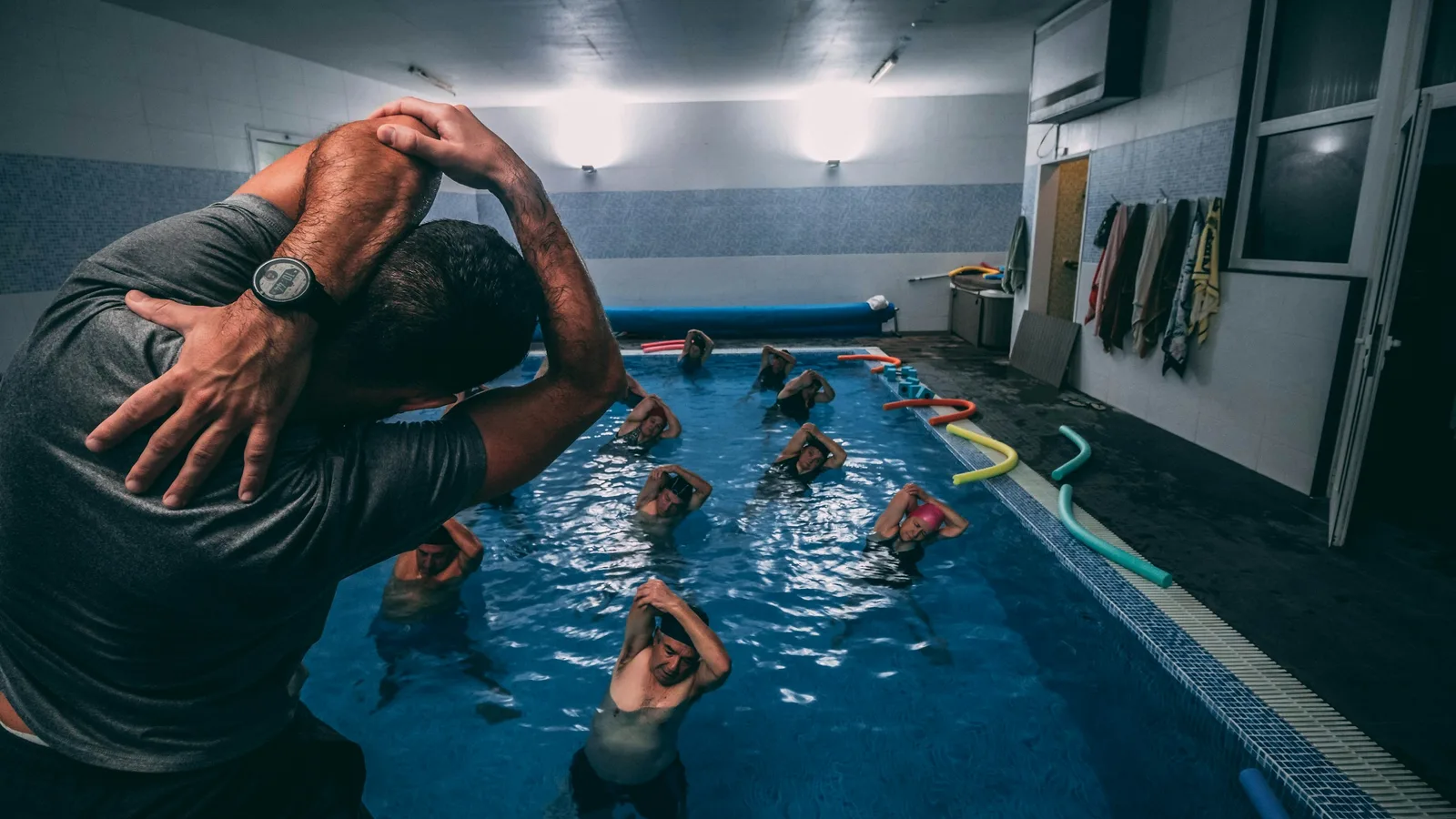
Water exercise is especially well suited to a Texas summer. Water supports part of your body weight, which takes pressure off painful hips, knees, and feet, while also providing gentle resistance that builds strength. Many people with arthritis find that warm-water classes ease stiffness, while a cooler outdoor pool helps the body shed heat. Even in the water, remember that you still sweat and still need to drink.
| Activity | Why it helps | Summer tip |
|---|---|---|
| Water aerobics or water walking | Buoyancy reduces joint load; water adds gentle resistance | Choose indoor or shaded pools; drink water between sets |
| Swimming | Full-body aerobic exercise with very little impact | Use sunscreen outdoors; avoid peak midday sun |
| Early-morning or indoor walking | Simple, weight-bearing activity that supports bone health | Walk before mid-morning or in an air-conditioned space |
| Stationary cycling | Builds leg strength and endurance with low knee stress | Ride indoors with a fan and water bottle nearby |
| Tai chi or gentle yoga | Improves balance, flexibility, and joint range of motion | Practice indoors; modify poses that strain painful joints |
| Strength training with bands | Stronger muscles support and protect joints | Two non-consecutive days a week; use a weight that does not cause joint pain |
If weight-bearing exercise is important for you because of low bone density, walking and strength work remain valuable; our page on osteoporosis explains why. The best exercise, however, is the one you will actually do consistently, so pick activities you enjoy.
How much water should you drink when exercising with arthritis in the heat?
There is no single number that fits everyone, but the general advice is to drink water before, during, and after exercise and not to wait until you feel thirsty. In hot, humid weather you lose more fluid through sweat. Light-colored urine is a simple sign of good hydration, while dark urine suggests you need more fluid.
Fluid needs vary with body size, sweat rate, the intensity of exercise, and health conditions. Some people — for example, those with heart failure or kidney disease — may be told by their doctor to limit fluids, so personal guidance matters. For most healthy adults, these habits help:
- Drink a glass of water before you start, and keep a water bottle within reach during activity.
- Take regular sips during exercise rather than drinking a large amount all at once.
- Limit alcohol and very sugary drinks, which do not hydrate as well as water.
- For long or very sweaty sessions, ask your doctor whether a drink with electrolytes makes sense for you.
Four steps to a safer summer workout
- CheckLook at the heat index and any heat advisory before you head outside.
- TimeExercise early in the morning, after sunset, indoors, or in a pool.
- HydrateDrink water before, during, and after activity — do not wait for thirst.
- ListenStop at the first sign of dizziness, nausea, cramping, or unusual joint pain.
Can arthritis medications affect how your body handles heat?
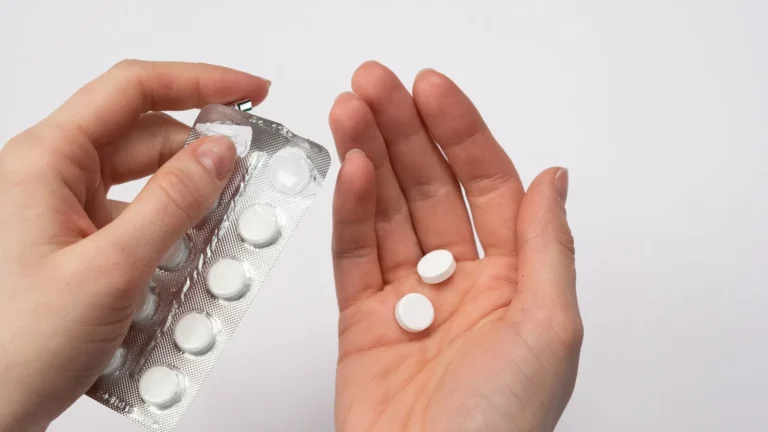
Some can. The CDC notes that several common medication classes can affect heat tolerance, including diuretics, some blood pressure medicines, certain antidepressants, and pain relievers such as NSAIDs. Some medicines used in rheumatology can also increase sun sensitivity. Talk with your doctor or pharmacist about your specific medications before exercising in the heat.
Medications can change how your body handles heat in several ways: by affecting fluid and salt balance, by reducing sweating, by changing heart rate or blood pressure responses, or by making skin more sensitive to sunlight. Nonsteroidal anti-inflammatory drugs (NSAIDs), which many people with arthritis take, can affect kidney function, and that risk may rise when someone becomes dehydrated. Some disease-modifying drugs, such as methotrexate, can make the skin more sensitive to the sun.
People with lupus have an additional reason for caution. Ultraviolet light can trigger rashes and disease flares in many people with lupus, so sun protection — shade, protective clothing, a wide-brimmed hat, and broad-spectrum sunscreen — is part of any outdoor exercise plan. Never stop or change a medication on your own because of the weather; talk to your doctor before making any change. If you want a fuller picture of your treatment options, our arthritis treatment page is a good place to start.
Have questions about your medications and summer activity?
Bring your full medication list to a rheumatology visit. Dr. Syed Alam can review how your treatment fits with your activity goals and help you plan safe, joint-friendly exercise.
Request an AppointmentHow do you know if joint pain after exercise is normal or a warning sign?
Mild muscle soreness or slightly increased joint discomfort that settles within a day or two is common when you start exercising. Pain that is sharp, lasts longer than about two hours after activity, or comes with new joint swelling, warmth, or redness suggests you did too much or that something else needs attention.
A widely used rule of thumb in arthritis exercise programs is the “two-hour rule”: if your joints hurt more two hours after exercise than they did before, scale back the duration or intensity next time. Start low and go slow, increasing activity gradually over weeks rather than days. Warming up for five to ten minutes and cooling down afterward helps, too.
Some signs deserve a closer look rather than just a lighter workout. New swelling in one or more joints, a joint that is hot and red, or stiffness that lasts a long time each morning can point to inflammatory arthritis rather than simple overuse. Our pages on joint pain and swelling and fibromyalgia explain how different conditions can feel, and a specialist can help sort out what is going on.
Where can I get help with arthritis and exercise in West Houston, Katy, or Fulshear?
If joint pain or stiffness is keeping you from staying active, a rheumatologist can identify the type of arthritis involved and build a treatment plan that makes movement easier. West Houston Arthritis and Rheumatology, led by Dr. Syed Alam, evaluates and treats arthritis for patients across West Houston, Katy, Fulshear, and nearby communities.
West Houston Arthritis and Rheumatology is led by Dr. Syed Alam, MD, FACR, a double board-certified physician in internal medicine and rheumatology who completed his rheumatology fellowship at Temple University Hospital and is trained in musculoskeletal ultrasound. He has more than 10 years of rheumatology experience. The office is located at 19002 Park Row Blvd, Suite 100, Houston, TX 77084, and is open Monday through Friday, 8:00 AM to 5:00 PM. You can reach the office at (832) 305-5226.
The practice is accepting new patients and accepts most major insurance plans. Patients come from Katy, Fulshear, Cinco Ranch, Cypress, Richmond, Rosenberg, Sealy, Sugar Land, and West Houston, and patients from elsewhere in Texas may request an appointment. If you are unsure whether you need a specialist, our guide on when to see a rheumatologist can help you decide.
A simple weekly summer exercise plan for stiff joints
A balanced summer week for most adults with arthritis combines short aerobic sessions, two strength days, and daily gentle stretching, all scheduled during the coolest hours or indoors. The sample plan below adds up to roughly 150 minutes of moderate activity. Adjust it to your fitness level and your doctor’s advice.
| Day | Activity | When |
|---|---|---|
| Monday | 30-minute walk plus 5 minutes of stretching | Early morning or indoors |
| Tuesday | 20 minutes of strength training with bands | Indoors, air-conditioned |
| Wednesday | 30-minute water aerobics or water walking | Indoor or shaded pool |
| Thursday | Gentle stretching and range-of-motion work | Anytime indoors |
| Friday | 20 minutes of strength training plus 10 minutes of stationary cycling | Indoors |
| Saturday | 30-minute swim, water class, or tai chi | Early morning or evening |
| Sunday | Rest or a short, easy walk | After sunset |
Key takeaways
- Most people can exercise with arthritis safely in summer by adjusting timing, location, and intensity.
- Aim for about 150 minutes of moderate activity a week, broken into short sessions if needed.
- Exercise early in the morning, after sunset, indoors, or in a pool, and check the heat index first.
- Know the signs of heat exhaustion and heat stroke; heat stroke is an emergency that requires 911.
- Some medications affect heat tolerance or sun sensitivity — ask your doctor before changing anything.
Frequently asked questions
Is heat good or bad for arthritis?
Both, in a sense. Warmth can ease stiffness, and many people with arthritis enjoy warm-water exercise. But high heat and humidity can cause dehydration and fatigue, which may make pain feel worse and raise the risk of heat illness.
Is water aerobics good for arthritis?
Yes. Water aerobics is one of the most joint-friendly forms of exercise because water supports part of your body weight while providing gentle resistance. It is a particularly good choice during a hot Texas summer.
Should I exercise during an arthritis flare?
During a flare, gentle range-of-motion movement is usually better than complete rest, but more intense exercise may need to wait. Follow your rheumatologist’s advice, and seek care if a joint becomes hot, red, and very swollen.
Can I walk outside in summer if I have arthritis in my knees?
Many people can. Walk early in the morning or after sunset, wear supportive shoes, carry water, and choose flat, even surfaces. If your knees hurt more two hours after a walk, shorten the next one.
Do arthritis medications make you more sensitive to the sun?
Some can, including certain disease-modifying drugs such as methotrexate. Use sun protection outdoors and ask your doctor or pharmacist whether any of your medicines increase sun or heat sensitivity.
Your next step
Keep moving this summer — with a plan that fits your joints
If arthritis pain or stiffness is getting in the way of staying active, Dr. Syed Alam can help find the cause and build a treatment plan around your goals. Serving West Houston, Katy, Fulshear, Cinco Ranch, Cypress, Richmond, Rosenberg, Sealy, and Sugar Land.
Request an AppointmentSources and further reading
- About Physical Activity and Arthritis, Centers for Disease Control and Prevention.
- Heat-related Illnesses, Centers for Disease Control and Prevention (NIOSH).
- Heat and Medications – Guidance for Clinicians, Centers for Disease Control and Prevention.
- Heat Cramps, Exhaustion, Stroke, National Weather Service.
- Heat Safety Tips and Resources, National Weather Service.
- Heat Illness, MedlinePlus.
- Osteoarthritis, National Institute of Arthritis and Musculoskeletal and Skin Diseases.
- Lupus, National Institute of Arthritis and Musculoskeletal and Skin Diseases.