
Sjögren's Disease Treatment in Katy, TX
Sjögren's disease is an autoimmune condition in which the immune system attacks the glands that produce tears and saliva, causing persistent dry eyes and dry mouth. It frequently also causes fatigue and joint pain, and it deserves to be taken far more seriously than simple dryness.
Meet Dr. Syed Alam, MD, FACR
Double Board-Certified, Fellowship-Trained Rheumatologist · Musculoskeletal Ultrasound Trained · 10+ Years of Experience
Dr. Alam completed his rheumatology fellowship at Temple University Hospital after an internal medicine residency at John H. Stroger, Jr. Hospital. His clinical interests include rheumatoid arthritis, lupus, psoriatic arthritis, gout, Sjögren’s disease, osteoporosis and other rheumatic conditions.
Read the full profile →
What is Sjögren's disease?
Sjögren's disease, previously called Sjögren's syndrome, is a chronic autoimmune disease. The immune system targets the exocrine glands, particularly the lacrimal glands that make tears and the salivary glands that keep the mouth moist. As those glands become inflamed, they produce less fluid.
It is a mistake to think of Sjögren's as only a dryness problem. It is a systemic disease that can involve the joints, skin, lungs, kidneys, nervous system and blood, and for many patients the fatigue and joint pain are more disabling than the dryness itself.
Primary and secondary Sjögren's
Sjögren's occurring on its own is described as primary. When it develops alongside another autoimmune disease such as rheumatoid arthritis, lupus or scleroderma, it is described as secondary. The dryness and the treatment are similar; what differs is the wider disease context.
Why it is often missed
Dry eyes and a dry mouth are common complaints with many causes, from medication side effects to air conditioning, and they develop so gradually that people adapt without mentioning them. Patients often see an optometrist and a dentist for years before anyone connects the symptoms. If you have persistent dryness together with fatigue or joint pain, say so explicitly.
Not sure whether your symptoms need a specialist? A rheumatology evaluation can give you a clear answer.
Request an AppointmentSymptoms of Sjögren's disease
Dry eyes
- A gritty or sandy sensation, as though something is in the eye
- Burning, itching or redness
- Blurred vision that clears when you blink
- Sensitivity to light, wind or air conditioning
- Difficulty tolerating contact lenses
- Paradoxically, watery eyes, as the eye reacts to irritation
Dry mouth
- Difficulty swallowing dry food without sipping liquid
- A need to drink water at night
- Difficulty speaking for long periods
- Rapidly increasing tooth decay, particularly at the gum line
- Recurrent oral thrush or mouth soreness
- Swelling of the salivary glands in front of the ears or under the jaw
- Changes in taste, or a burning sensation in the mouth
Beyond dryness
- Profound fatigue, often the symptom patients rank as the worst
- Joint pain and stiffness, usually without the joint damage seen in rheumatoid arthritis
- Dryness of the skin, nose, throat or vagina
- Raynaud's phenomenon, with colour change in the fingers in the cold
- A persistent dry cough
- Numbness or tingling, if nerves are affected
Early assessment gives you the widest range of treatment options.
Book an Evaluation
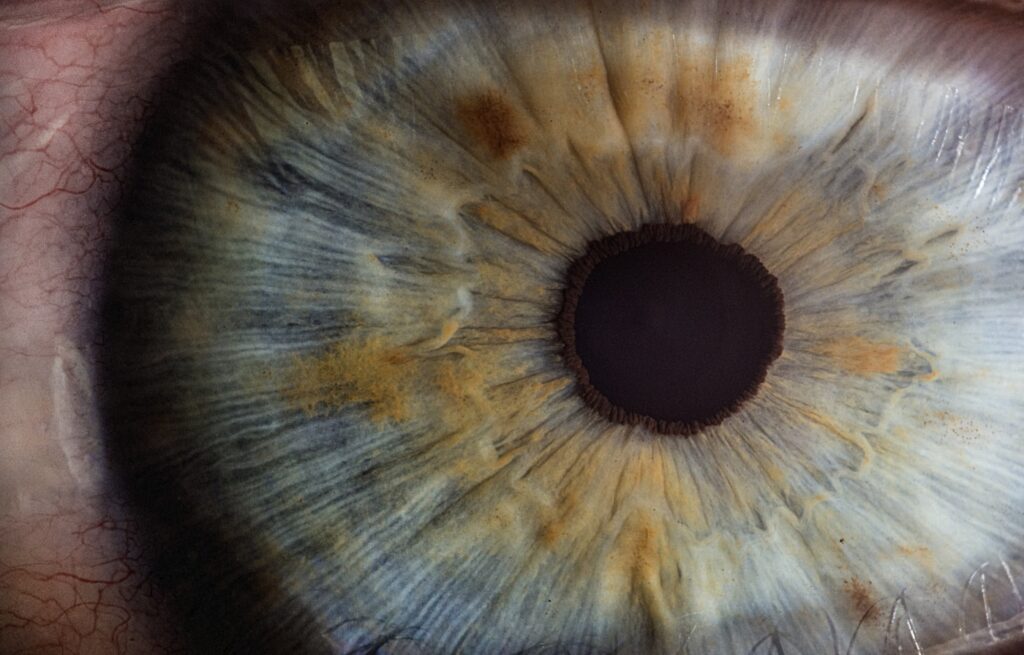
Photo for illustration. Images do not depict patients of this practice.
What causes Sjögren's disease?
The cause is not fully known. As with other autoimmune diseases, a genetic predisposition appears to combine with an environmental trigger, possibly a viral infection, after which the immune response fails to resolve. Hormonal factors are likely relevant given the strong female predominance.
It is worth separating Sjögren's from the far more common causes of dryness. Antihistamines, antidepressants, blood pressure tablets, diuretics and many other medicines reduce saliva and tears. Dryness also increases with age, and with screen use and dry indoor air. Persistent dryness that is not explained by these, especially with fatigue, joint pain or gland swelling, is what warrants testing.
How Sjögren's disease is diagnosed
Diagnosis combines your symptoms with objective evidence that tear and saliva production are genuinely reduced, plus laboratory or biopsy evidence of autoimmunity.
Blood tests
- Anti-Ro (SSA) and anti-La (SSB) antibodies, the most characteristic findings, though a substantial minority of patients are negative
- ANA, usually positive
- Rheumatoid factor, often positive even without rheumatoid arthritis
- ESR and CRP, and immunoglobulin levels
- A complete blood count, since low white cells or platelets are common
Eye testing
A Schirmer test measures tear production using a small paper strip placed under the lower eyelid. Ocular staining uses dye to reveal damage to the surface of the eye caused by chronic dryness. Both are quick and well tolerated.
Salivary assessment and biopsy
Saliva flow can be measured directly, and ultrasound of the salivary glands is increasingly used. Where the diagnosis remains uncertain, particularly in antibody-negative patients, a minor salivary gland biopsy from the inner lip is the most definitive test. It is a short procedure done under local anaesthetic.
We will take a full history, examine every affected joint and order only the tests that change your care.
Schedule Your VisitSjögren's disease treatment
There is no cure, but symptoms can be managed well and complications prevented. Treatment has two strands: relieving dryness and protecting the tissues, and treating systemic disease when it is present.
Treating dry eyes
- Preservative-free artificial tears, used regularly rather than only when uncomfortable
- Thicker gels or ointments at night
- Prescription anti-inflammatory eye drops such as cyclosporine or lifitegrast
- Punctal plugs, small inserts that block tear drainage and keep the eye moist for longer
- Practical measures: humidifiers, wraparound glasses, screen breaks and avoiding direct air flow
Treating dry mouth and protecting teeth
Dental care is not optional in Sjögren's. Saliva protects teeth, and without it decay can progress quickly. Frequent dental review, high-fluoride toothpaste, sugar-free gum or lozenges to stimulate saliva, and steady water intake all matter. Prescription medicines such as pilocarpine and cevimeline stimulate the glands directly and help when the glands still have function.
Treating joint pain and systemic disease
Hydroxychloroquine is commonly used for the joint pain, fatigue and rash of Sjögren's. Where internal organs are involved, other immunosuppressive treatments are added. Fatigue is treated with a combination of pacing, exercise, sleep management and treatment of contributing factors such as anaemia or thyroid disease.
Monitoring
Long-standing Sjögren's carries a small but real increase in the risk of lymphoma, and persistent salivary gland swelling, new lumps or unexplained systemic symptoms should always be reported. Regular review allows this to be picked up early.
Treatment is matched to your diagnosis, your other conditions and your goals.
Start Your Treatment PlanLiving with Sjögren's disease
- Use eye drops on a schedule rather than waiting for discomfort.
- See your dentist more often than the standard interval and say that you have Sjögren's.
- Sip water regularly; carry a bottle.
- Use a humidifier at home, particularly overnight.
- Review your medication list with your doctor; several common drugs worsen dryness.
- Treat fatigue as a real symptom and plan your energy across the week.
Practical daily management of dryness
Much of the day-to-day burden of Sjögren's is managed outside the clinic, and small adjustments made consistently tend to help more than occasional intensive effort.
Protecting your eyes
- Use preservative-free drops on a fixed schedule, not only when the eyes feel gritty
- Apply a thicker gel or ointment at night, when tear production is lowest
- Take deliberate blink breaks from screens, since blink rate falls sharply when concentrating
- Angle car and office vents away from your face
- Wear wraparound sunglasses outdoors, against both wind and light sensitivity
- Run a humidifier in the bedroom, particularly with air conditioning
Protecting your teeth
This deserves emphasis because the consequences are permanent. Without saliva, decay can advance quickly and often starts at the gum line where it is hard to see. Tell your dentist you have Sjögren's, ask about more frequent recall, use a high-fluoride toothpaste, and avoid sipping sugary or acidic drinks through the day, which is a common habit when the mouth is dry. Sugar-free gum or lozenges stimulate whatever saliva production remains.
Travel, work and social situations
Aircraft cabins, hotel air conditioning and long meetings are all difficult. Carry drops and water in hand luggage rather than checked bags, plan to speak less continuously where you can, and do not feel obliged to explain a water bottle. Many people also find that dry indoor heating in winter is harder than summer, and plan humidification accordingly.
PLACEHOLDER: add any local referral arrangements for ophthalmology and dental care once confirmed.
When to see a rheumatologist about Sjögren's
Ask for an evaluation if dry eyes or dry mouth have persisted for more than three months without an obvious cause, particularly alongside fatigue, joint pain, salivary gland swelling or a sudden increase in dental problems. Bring any positive antibody results with you.
Our Katy clinic evaluates and manages Sjögren's disease for patients across Katy, Fulshear, Richmond, Cinco Ranch, Cypress, Rosenberg, Sealy and West Houston.
New patients are welcome at our Katy clinic, and a referral is not required for most plans.
Talk to Our RheumatologistPLACEHOLDER: this page must be reviewed and approved by Dr. Syed Alam before launch. Add the review date here.
Frequently asked questions
Sjögren's Disease: your questions answered
Is Sjögren's just dry eyes and dry mouth?
No, and this is the most common misunderstanding. Sjögren's is a systemic autoimmune disease. Many patients rank fatigue and joint pain as more limiting than the dryness, and the disease can also affect the lungs, kidneys, nerves and blood.
Can I have Sjögren's with negative antibodies?
Yes. A significant minority of patients are negative for anti-Ro and anti-La. Diagnosis can still be made using eye and saliva testing and, where needed, a minor salivary gland biopsy.
Why do I need to see the dentist so often?
Saliva protects teeth against decay. Without it, cavities can develop rapidly, often at the gum line. Frequent dental review, high-fluoride toothpaste and saliva stimulation prevent problems that are much harder to fix later.
Does Sjögren's increase my risk of lymphoma?
There is a small increase in risk compared with the general population. Most people never develop it. Persistent salivary gland swelling, new lumps or unexplained systemic symptoms should be reported promptly so they can be assessed.
Is Sjögren's related to lupus or rheumatoid arthritis?
It can occur on its own or alongside them. When it accompanies another autoimmune disease it is called secondary Sjögren's. The overlap is common enough that testing for one often includes testing for the others.
Will hydroxychloroquine help my dryness?
It is more effective for the joint pain, fatigue and rash of Sjögren's than for dryness itself. Dryness is usually managed with tear and saliva treatments alongside it.
Can medications cause the same symptoms?
Yes, and this must always be considered. Antihistamines, antidepressants, diuretics and blood pressure medicines commonly reduce tears and saliva. A medication review is part of the assessment.
Does Sjögren's affect pregnancy?
Anti-Ro and anti-La antibodies can affect the baby's heart in a small number of pregnancies, so pregnancies are monitored more closely. Tell your rheumatologist and obstetrician early so that appropriate monitoring is arranged.

Still have a question?
Our office is happy to answer questions before you book. Call us or send a request and we will call you back.
Ask Us Your QuestionGet started
Concerned about sjögren's disease?
Our Katy rheumatology clinic diagnoses and treats this condition. Request an appointment or call our office to get started.